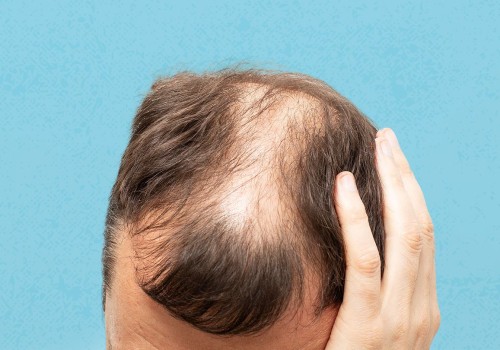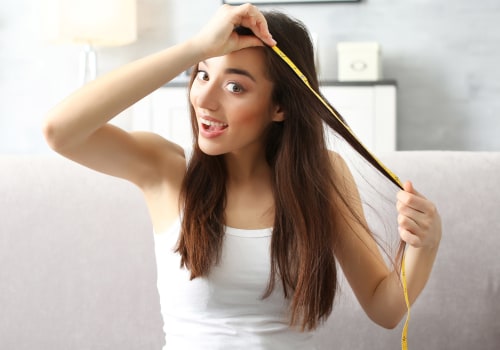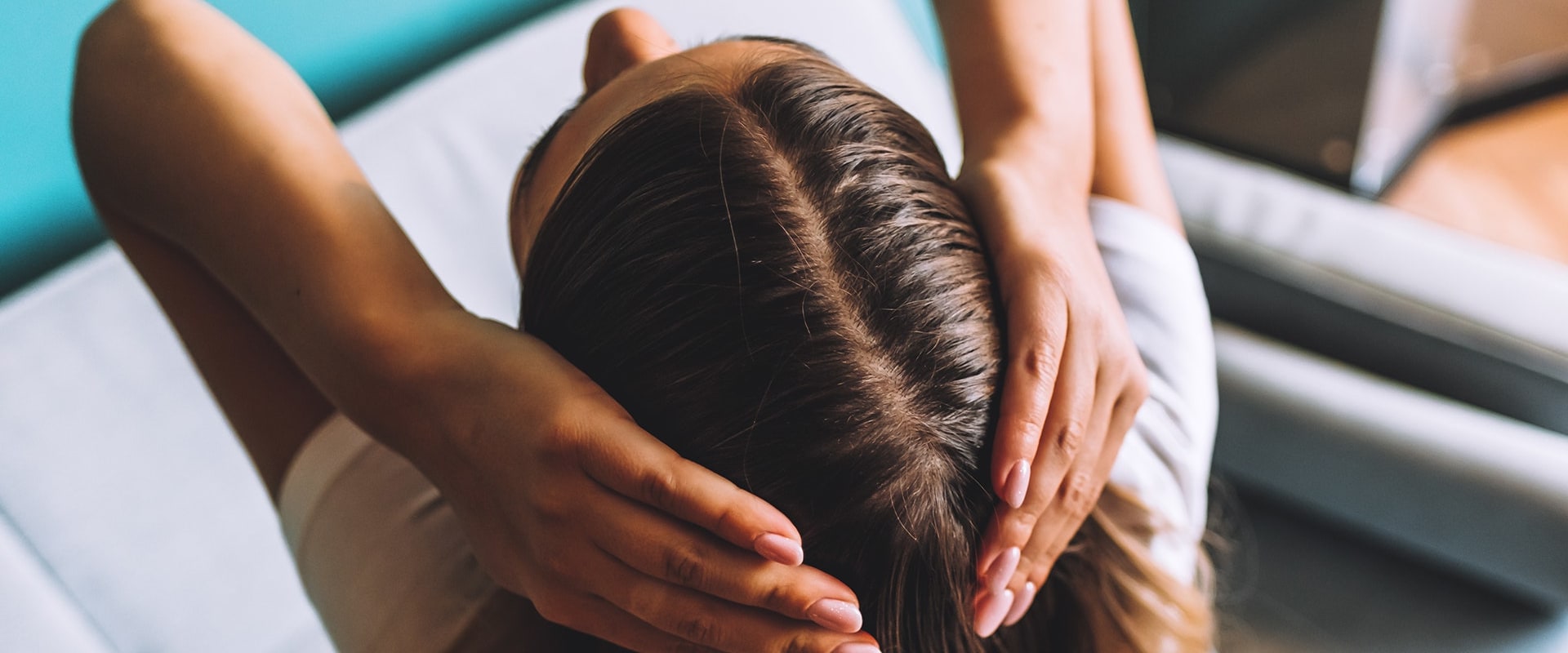
Understanding the intricate relationship between stress and hair health is crucial for anyone seeking effective hair restoration. Stress is not merely a mental or emotional burden; it manifests physically in various ways, including its impact on our hair. When we experience stress, our bodies react by releasing a surge of hormones, particularly cortisol, which can disrupt the natural hair growth cycle. This disruption can lead to conditions such as telogen effluvium, where hair prematurely enters the shedding phase, resulting in noticeable hair loss. Moreover, chronic stress can exacerbate existing hair issues, such as thinning or brittleness.
The inflammatory response triggered by stress can lead to scalp conditions like dermatitis or psoriasis, further complicating the quest for healthy hair. As a result, understanding how stress affects our hair is not just about recognizing symptoms; it’s about acknowledging the underlying causes that contribute to these issues. In addition to hormonal changes, stress can also lead to unhealthy coping mechanisms, such as poor diet and lack of sleep, which further compromise hair health. Nutritional deficiencies can hinder the body’s ability to support hair growth, while inadequate rest prevents the body from repairing itself. Therefore, managing stress effectively is not only vital for mental well-being but also essential for maintaining vibrant and healthy hair. As we delve deeper into this topic, we will explore practical strategies for managing stress and its effects on hair health.
By addressing both the psychological and physiological aspects of stress, we can pave the way for successful hair restoration and overall well-being.
The Science Behind Stress and Hair Loss
Understanding the intricate relationship between stress and hair loss requires a closer look at the biological mechanisms involved. When the body experiences stress, it triggers a cascade of hormonal changes that can significantly impact hair follicles. One of the primary hormones released during stressful situations is cortisol. Often referred to as the "stress hormone," cortisol plays a crucial role in the body’s fight-or-flight response. While it is essential for managing immediate stressors, chronic elevation of cortisol levels can lead to detrimental effects on hair health.Prolonged exposure to high cortisol levels can disrupt the normal hair growth cycle, pushing hair follicles into a resting phase known as telogen. This phase can last for several months, resulting in noticeable hair shedding and thinning. In addition to hormonal changes, stress can also lead to inflammation within the scalp. When the body is under stress, it may produce inflammatory cytokines that can affect the hair follicles directly. This inflammation can cause irritation and damage to the scalp, further exacerbating hair loss issues.
The combination of hormonal fluctuations and inflammation creates an environment that is not conducive to healthy hair growth. Moreover, stress can impact other bodily functions that are vital for maintaining healthy hair. For instance, stress often leads to poor dietary choices, lack of sleep, and reduced physical activity—all factors that can contribute to nutrient deficiencies. Hair follicles require a variety of vitamins and minerals, such as biotin , zinc , and iron , to thrive. When stress interferes with nutrition and overall well-being, it can hinder the body’s ability to support robust hair growth. Understanding these biological effects is crucial for anyone looking to restore their hair health.
By recognizing how stress influences hair loss at a physiological level, individuals can take proactive steps towards managing their stress effectively and promoting healthier hair growth.
Identifying Stressors: What Affects Your Hair Health?
Understanding the various stressors that can impact your hair health is crucial for effective management and restoration. Both external and internal factors can contribute to hair issues, and recognizing these can help you take proactive steps toward healthier hair.Common External Stressors
- Environmental Factors: Pollution, UV radiation, and harsh weather conditions can damage hair. Prolonged exposure to these elements can lead to dryness, brittleness, and increased hair loss.
- Hair Care Products: The use of chemical-laden shampoos, conditioners, and styling products can irritate the scalp and weaken hair strands. Ingredients like sulfates and parabens may strip natural oils, leading to further damage.
- Heat Styling: Frequent use of heat styling tools such as blow dryers, curling irons, and straighteners can cause significant harm.
High temperatures can weaken the hair structure, resulting in split ends and breakage.
Internal Stressors
- Emotional Stress: Psychological factors such as anxiety, depression, or chronic stress can trigger hormonal changes that negatively affect hair growth. Conditions like telogen effluvium are often linked to significant emotional distress.
- Nutritional Deficiencies: A poor diet lacking essential vitamins and minerals can lead to weakened hair. Nutrients such as iron, zinc, and vitamins A and D are vital for maintaining healthy hair follicles.
- Hormonal Imbalances: Fluctuations in hormones due to pregnancy, menopause, or thyroid issues can lead to hair thinning or loss. Understanding your hormonal health is key to addressing these changes.
This not only aids in reducing hair loss but also promotes overall well-being. Implementing lifestyle changes such as adopting a balanced diet, minimizing exposure to harmful products, and practicing relaxation techniques can significantly improve your hair health.
Practical Stress Management Techniques for Healthier Hair
Managing stress effectively is crucial not only for your mental well-being but also for the health of your hair. Here are some practical techniques that can help you reduce stress and promote hair restoration.Mindfulness and Meditation
Incorporating mindfulness practices into your daily routine can significantly lower stress levels. Meditation is one of the most effective ways to achieve this.By dedicating just a few minutes each day to meditation, you can create a sense of calm and clarity. Here’s how to get started:
- Find a Quiet Space: Choose a comfortable spot where you won’t be disturbed.
- Focus on Your Breath: Close your eyes and take deep, slow breaths. Concentrate on the rhythm of your breathing.
- Let Thoughts Pass: If thoughts arise, acknowledge them without judgment and gently bring your focus back to your breath.
Yoga for Stress Relief
Yoga
combines physical postures, breathing exercises, and meditation, making it an excellent tool for stress management. Engaging in yoga not only helps in reducing stress but also improves blood circulation to the scalp, promoting healthier hair growth.
Here are some beneficial yoga poses:
- Child’s Pose: This pose helps relax the mind and relieve tension in the body.
- Cobra Pose: It opens up the chest and improves blood flow to the scalp.
- Forward Bend: This pose calms the mind and reduces anxiety.
Physical Exercise
Regular physical activity is another powerful way to combat stress. Exercise releases endorphins, which are natural mood lifters. Aim for at least 30 minutes of moderate exercise most days of the week.Activities such as walking, jogging, cycling, or dancing can be particularly effective. Not only does exercise help manage stress, but it also supports healthy hair by improving circulation and nutrient delivery to hair follicles.
Relaxation Techniques
In addition to meditation and yoga, consider incorporating other relaxation techniques into your routine:- Deep Breathing Exercises: Practice deep breathing by inhaling through your nose for a count of four, holding for four, and exhaling through your mouth for four.
- Aromatherapy: Use essential oils like lavender or chamomile in a diffuser or during baths to create a calming atmosphere.
- Progressive Muscle Relaxation: Tense each muscle group for a few seconds and then relax them to release tension throughout your body.
Nutrition's Role in Stress Management and Hair Restoration
Nutrition plays a pivotal role in both stress management and the restoration of healthy hair. A balanced diet not only fuels your body but also provides essential nutrients that can mitigate stress and promote hair growth. When you nourish your body with the right foods, you create a foundation for overall well-being, which directly impacts your hair health. To support hair restoration, it is crucial to incorporate a variety of vitamins and minerals into your diet.Here are some key nutrients that are particularly beneficial:
- Biotin: Often referred to as vitamin H, biotin is essential for the production of keratin, a protein that makes up your hair. Foods rich in biotin include eggs, nuts, and whole grains.
- Vitamin D: This vitamin plays a significant role in the hair growth cycle. Low levels of vitamin D have been linked to hair loss. You can boost your vitamin D intake through sunlight exposure and foods like fatty fish, fortified dairy products, and mushrooms.
- Iron: Iron deficiency can lead to hair loss, as it affects the oxygen supply to hair follicles.
Incorporate iron-rich foods such as spinach, lentils, and red meat into your meals.
- Zinc: Zinc is vital for tissue growth and repair, including hair tissue. It also helps maintain the oil glands around hair follicles. Foods high in zinc include oysters, beef, and pumpkin seeds.
- Omega-3 Fatty Acids: These healthy fats nourish the scalp and promote healthy hair growth. Sources include fatty fish like salmon, walnuts, and flaxseeds.
Foods such as berries, dark chocolate, and green leafy vegetables are excellent sources of antioxidants that can protect your cells from damage. Moreover, managing stress through nutrition involves not just what you eat but also how you eat. Mindful eating practices can enhance your relationship with food and reduce stress levels. Taking time to enjoy your meals without distractions allows you to appreciate the flavors and textures while promoting better digestion. In conclusion, a well-rounded diet filled with essential vitamins and minerals is fundamental for both managing stress and supporting hair restoration. By focusing on nutrient-dense foods and adopting mindful eating habits, you can create a positive impact on your overall health and well-being, leading to stronger, healthier hair.
Lifestyle Changes to Support Hair Restoration
Making lifestyle changes is crucial for promoting both mental well-being and hair health.By adopting healthier habits, you can create a supportive environment that fosters hair restoration and reduces stress levels.
Prioritizing Sleep Hygiene
One of the most significant factors affecting hair health is the quality of your sleep. Sleep deprivation can lead to increased stress hormones, which may contribute to hair loss. To improve your sleep hygiene, consider the following tips:- Establish a Consistent Sleep Schedule: Go to bed and wake up at the same time every day, even on weekends, to regulate your body’s internal clock.
- Create a Relaxing Bedtime Routine: Engage in calming activities before bed, such as reading or taking a warm bath, to signal your body that it’s time to wind down.
- Limit Screen Time: Reduce exposure to screens at least an hour before bedtime, as blue light can interfere with melatonin production and disrupt sleep.
- Optimize Your Sleep Environment: Ensure your bedroom is dark, quiet, and cool. Consider using blackout curtains and white noise machines if necessary.
Avoiding Heat Damage
Excessive heat styling can lead to damaged hair, making it more prone to breakage and loss.To protect your hair from heat damage while still enjoying styling options, follow these guidelines:
- Limit Heat Styling Tools: Try to reduce the frequency of using blow dryers, curling irons, and straighteners. Embrace natural hairstyles whenever possible.
- Use Heat Protectants: If you must use heat styling tools, apply a heat protectant spray or serum to shield your hair from damage.
- Select Lower Heat Settings: When using styling tools, opt for lower temperature settings to minimize damage while still achieving your desired look.
- Incorporate Air-Drying Techniques: Allow your hair to air dry whenever possible. If you need to speed up the process, use a towel to gently blot excess moisture instead of rubbing vigorously.
FAQs About Stress Management and Hair Restoration
Understanding the connection between stress and hair health is crucial for anyone looking to improve their hair restoration journey.Below are some frequently asked questions that can help clarify this relationship and provide actionable insights.
What is the relationship between stress and hair loss?
Stress can trigger a variety of physiological responses in the body, including hormonal changes that may lead to hair loss. Conditions such as telogen effluvium can occur when stress pushes a significant number of hair follicles into a resting phase, resulting in noticeable shedding. This type of hair loss is often temporary, but managing stress effectively can help mitigate its impact.How can I manage stress to improve my hair health?
- Meditation: Practicing mindfulness and meditation can significantly reduce stress levels. Even a few minutes a day can help clear your mind and promote relaxation.
- Regular Exercise: Physical activity releases endorphins, which are natural mood lifters.
Aim for at least 30 minutes of moderate exercise most days of the week.
- Healthy Diet: Consuming a balanced diet rich in vitamins and minerals supports overall health, including hair health. Foods high in omega-3 fatty acids, antioxidants, and proteins are particularly beneficial.
- Sufficient Sleep: Quality sleep is essential for stress management. Aim for 7-9 hours of uninterrupted sleep each night to allow your body to recover and rejuvenate.
What are some effective hair restoration techniques?
There are several techniques available for hair restoration that can be complemented by effective stress management:- Topical Treatments: Products containing minoxidil or other active ingredients can stimulate hair growth and improve scalp health.
- Hair Transplant Surgery: For more severe cases of hair loss, surgical options like follicular unit transplantation (FUT) or follicular unit extraction (FUE) may be considered.
- Low-Level Laser Therapy (LLLT): This non-invasive treatment uses laser light to stimulate hair follicles and promote growth.
Can stress management alone restore my hair?
While managing stress is vital for overall health and can positively influence hair restoration, it is often not sufficient on its own. A comprehensive approach that includes proper nutrition, appropriate hair care products, and possibly medical treatments will yield the best results.Consulting with a healthcare professional or a trichologist can help tailor a plan that addresses both stress management and effective hair restoration strategies.
Conclusion: Embracing a Holistic Approach to Hair Restoration Through Stress Management
In summary, the journey towards effective hair restoration is intricately linked to our ability to manage stress. Throughout this article, we have explored the profound impact that stress can have on hair health, revealing how elevated stress levels can lead to hair loss, thinning, and a host of other scalp issues. By recognizing this connection, we can take proactive steps to mitigate stress and foster an environment conducive to healthy hair growth. Implementing a holistic approach to hair restoration involves not only addressing the physical aspects of hair care but also prioritizing mental well-being. Here are some key takeaways:- Understanding Stress and Hair Health: Stress triggers hormonal changes that can adversely affect hair follicles, leading to increased shedding and weakened strands.
- Stress Reduction Techniques: Incorporating practices such as meditation, yoga, and regular physical activity can significantly lower stress levels.
These activities not only promote relaxation but also enhance blood circulation to the scalp, supporting hair vitality.
- Nutrition Matters: A balanced diet rich in vitamins and minerals is crucial for both mental health and hair restoration. Nutrients like biotin, zinc, and omega-3 fatty acids play vital roles in maintaining healthy hair.
- Avoiding Harmful Practices: Limiting heat styling and chemical treatments protects the hair from additional damage, allowing it to recover more effectively.
- Consulting Professionals: Regular consultations with healthcare providers or trichologists can help tailor a personalized plan that addresses both stress management and hair restoration needs.