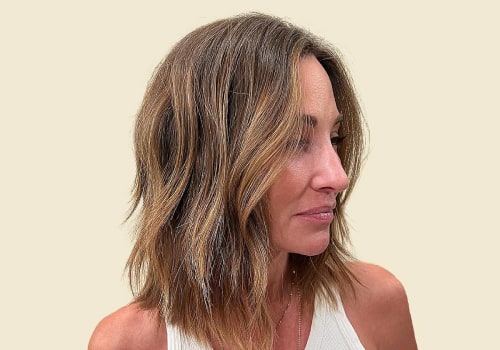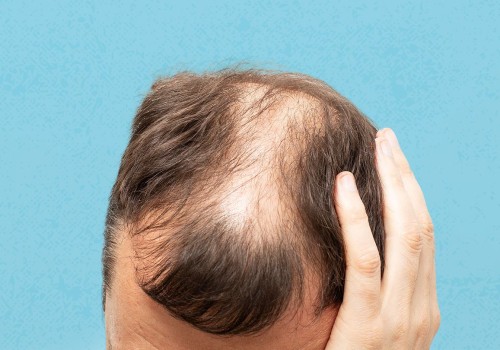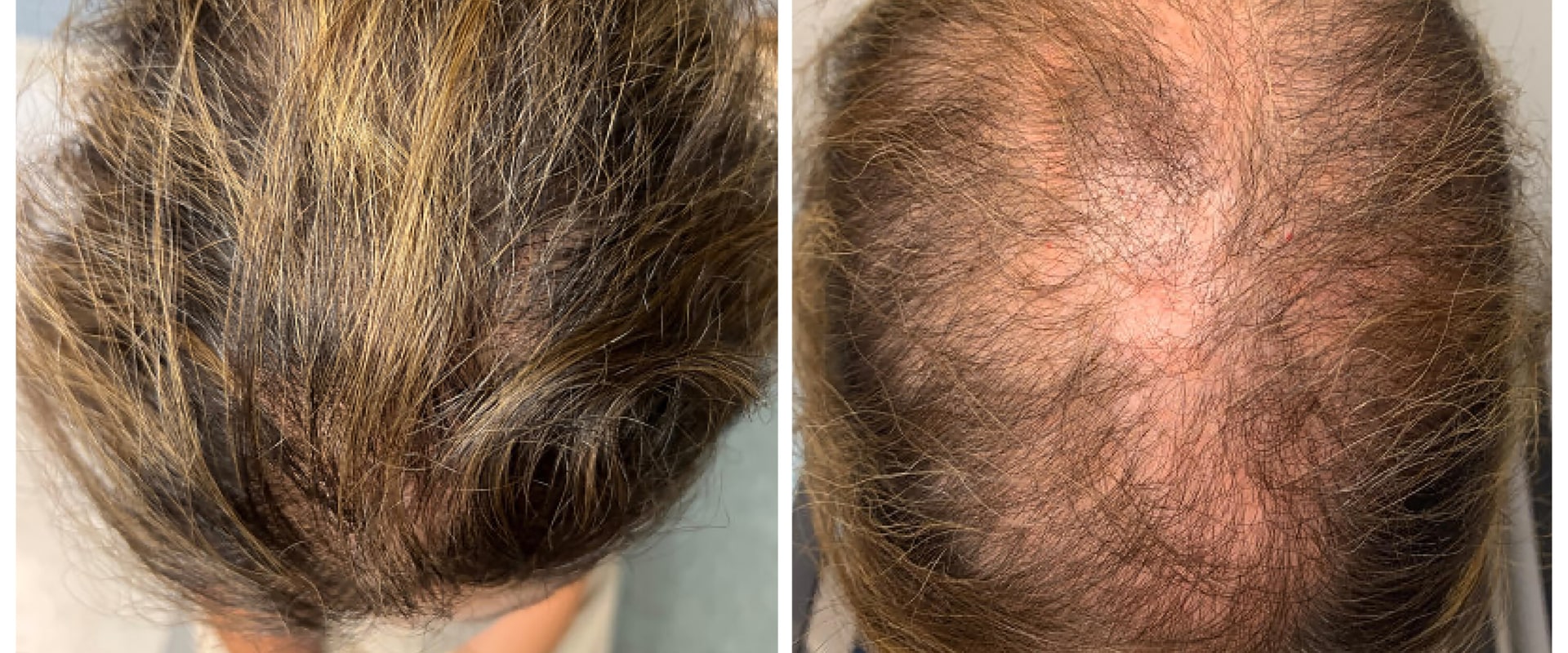
Female hair loss is a significant concern that affects millions of women across the globe, transcending age, ethnicity, and lifestyle. Studies indicate that approximately one in four women will experience some form of hair loss in their lifetime, making it a prevalent issue that warrants attention. The emotional and psychological ramifications of hair loss can be profound, often leading to feelings of inadequacy, anxiety, and depression. For many women, their hair is not just a physical attribute but a vital part of their identity and self-esteem. Understanding the causes of hair loss in women is crucial for effective hair restoration.
Various factors contribute to this condition, including hormonal changes, genetic predisposition, nutritional deficiencies, and stress. Conditions such as polycystic ovary syndrome (PCOS) or thyroid disorders can disrupt hormonal balance, leading to thinning hair or bald patches. Additionally, lifestyle choices and environmental factors can exacerbate these issues, making it essential for women to recognize the signs early on. The journey toward effective hair restoration begins with awareness and education. By understanding the underlying causes of female hair loss, women can make informed decisions about treatment options available to them.
From topical solutions like minoxidil to advanced therapies such as low-level laser therapy (LLLT), there are numerous avenues to explore. Each treatment comes with its own set of benefits and potential side effects, emphasizing the importance of consulting healthcare professionals for personalized advice. In conclusion, addressing female hair loss is not merely about aesthetics; it is about restoring confidence and improving quality of life. As we delve deeper into the various medical treatments available for female hair loss in this article, we aim to empower women with knowledge and options that can lead to effective solutions.
Common Causes of Female Hair Loss
Female hair loss can be attributed to a variety of factors, each playing a significant role in the overall health of hair. Understanding these causes is essential for identifying effective treatment options.Below are some of the most common causes of female hair loss:
Hormonal Imbalances
Hormonal fluctuations are one of the leading causes of hair loss in women. Conditions such as polycystic ovary syndrome (PCOS) , menopause, and thyroid disorders can lead to imbalances that affect hair growth. For instance, during menopause, estrogen levels decline, which can result in thinning hair. Similarly, an underactive thyroid (hypothyroidism) can disrupt the normal hair growth cycle, leading to increased shedding.Nutritional Deficiencies
A well-balanced diet is crucial for maintaining healthy hair.Deficiencies in essential nutrients such as iron , zinc , biotin , and vitamins A, C, D, and E can contribute to hair loss. For example, iron deficiency anemia is known to cause hair thinning and shedding. Women who follow restrictive diets or have underlying health conditions may be at a higher risk for these deficiencies.
Stress Factors
Chronic stress is another significant contributor to female hair loss. When the body experiences prolonged stress, it can trigger a condition known as telogen effluvium , where hair follicles enter a resting phase and subsequently shed more than usual.Stress management techniques such as yoga, meditation, and regular exercise can help mitigate this effect and promote healthier hair growth.
Medical Conditions
Certain medical conditions can also lead to hair loss in women. Autoimmune diseases like alopecia areata cause the immune system to attack hair follicles, resulting in patchy baldness. Other conditions such as lupus and diabetes may also contribute to hair thinning. It is essential for women experiencing unexplained hair loss to consult with a healthcare provider for proper diagnosis and treatment. In summary, understanding the various causes of female hair loss—ranging from hormonal imbalances and nutritional deficiencies to stress factors and medical conditions—is vital for developing an effective treatment plan tailored to individual needs.Medical Treatments for Female Hair Loss
When it comes to addressing female hair loss, a variety of medical treatments are available that cater to different underlying causes and individual needs.Understanding these options can empower women to make informed decisions about their hair restoration journey.
Minoxidil: A Topical Solution
Minoxidil
is one of the most widely recognized treatments for hair loss in women. This topical solution is applied directly to the scalp and works by stimulating hair follicles, promoting increased blood flow, and encouraging hair regrowth. Available in both liquid and foam formulations, minoxidil is typically used twice daily for optimal results. Clinical studies have shown that minoxidil can be effective in slowing down hair loss and promoting new hair growth in many women. However, it is important to note that results may vary, and it can take several months of consistent use before noticeable improvements are seen.
Some common side effects include scalp irritation, unwanted facial hair growth, and changes in hair texture.
Finasteride: An Oral Medication
Finasteride
, an oral medication primarily used to treat male pattern baldness, has also been studied for its effectiveness in women. It works by inhibiting the enzyme that converts testosterone into dihydrotestosterone (DHT), a hormone linked to hair loss. While finasteride can be effective for some women, it is generally prescribed with caution due to potential side effects. Women who are pregnant or may become pregnant should avoid finasteride, as it can cause birth defects. Side effects may include decreased libido, erectile dysfunction, and breast tenderness.
As with any medication, it is crucial to consult a healthcare provider to weigh the benefits against the risks.
Low-Level Laser Therapy (LLLT)
Low-level laser therapy (LLLT)
is an innovative treatment option that utilizes specific wavelengths of light to stimulate hair follicles and promote hair growth. This non-invasive procedure can be performed in a clinical setting or at home using FDA-cleared devices such as laser combs or caps. Research indicates that LLLT can improve hair density and thickness in women experiencing hair loss. The treatment is painless and typically requires multiple sessions over several weeks for optimal results. While LLLT is generally considered safe, some users may experience mild scalp irritation or redness following treatment. In conclusion, medical treatments for female hair loss offer various options tailored to individual needs.
Whether opting for topical solutions like minoxidil, oral medications such as finasteride, or advanced therapies like low-level laser therapy, consulting with a healthcare professional is essential to determine the most suitable approach for effective hair restoration.
Hormonal Treatments and Their Impact on Hair Restoration
Hormonal imbalances can significantly contribute to female hair loss, particularly in conditions such as polycystic ovary syndrome (PCOS) and during menopause. Understanding how hormonal treatments can aid in hair restoration is crucial for women experiencing these issues.Hormone Replacement Therapy (HRT)
is one of the primary medical interventions used to address hair loss related to hormonal fluctuations. HRT involves supplementing the body with synthetic hormones to restore balance, which can be particularly beneficial for women undergoing menopause, where estrogen levels decline sharply. This drop in estrogen can lead to thinning hair and increased hair shedding. In the case of PCOS, an endocrine disorder that affects many women of reproductive age, hormonal imbalances often manifest as elevated levels of androgens (male hormones).
These elevated androgen levels can lead to symptoms such as hair thinning on the scalp and excessive hair growth on other body parts (hirsutism). HRT can help mitigate these symptoms by balancing hormone levels, thus promoting healthier hair growth. There are various forms of HRT available, including:
- Pills: Oral contraceptives containing estrogen and progestin can help regulate menstrual cycles and reduce androgen levels.
- Patches: Hormonal patches are applied to the skin and release hormones into the bloodstream, providing a steady dose.
- Injections: Hormones can also be administered via injections, offering a more direct method of hormone delivery.
A comprehensive approach that includes medical intervention and lifestyle changes is often the most effective strategy for promoting healthy hair growth.
Nutritional Supplements for Hair Health
Nutritional supplements play a crucial role in maintaining hair health and can be particularly beneficial for women experiencing hair loss. A well-balanced diet rich in essential vitamins and minerals is vital for promoting hair growth and preventing thinning. When the body lacks these nutrients, it can lead to weakened hair follicles and increased hair shedding. Among the most important nutrients for hair health are:- Biotin: Often referred to as vitamin H, biotin is a B-vitamin that supports the production of keratin, a key protein in hair structure. Studies have shown that biotin supplementation can improve hair thickness and reduce hair loss in individuals with deficiencies.
- Zinc: This mineral is essential for tissue growth and repair, including the scalp.
Zinc deficiency has been linked to hair loss, making it important to ensure adequate intake through diet or supplements.
- Iron: Iron deficiency can lead to anemia, which is often associated with hair loss. Ensuring sufficient iron levels can help maintain healthy blood circulation to the scalp, promoting hair growth.
- Vitamins A, C, D, and E: These vitamins play various roles in maintaining healthy hair. Vitamin A helps produce sebum, an oily substance that moisturizes the scalp. Vitamin C is crucial for collagen production, while vitamin D is linked to the creation of new hair follicles.
Vitamin E acts as an antioxidant, helping to reduce oxidative stress on the scalp.
- Saw Palmetto: This herb is believed to block the production of dihydrotestosterone (DHT), a hormone linked to hair loss in women. Some studies suggest that saw palmetto may help improve hair density.
- Green Tea Extract: Rich in antioxidants, green tea extract may help reduce inflammation and promote healthy hair growth by improving blood circulation to the scalp.
Stress Management Techniques to Combat Hair Loss
Stress is a significant factor that can contribute to hair loss in women.When the body experiences stress, it can trigger a range of physiological responses that may disrupt the normal hair growth cycle. This disruption can lead to conditions such as telogen effluvium, where hair follicles prematurely enter the shedding phase. Therefore, managing stress effectively is crucial for maintaining healthy hair and overall well-being. Implementing stress management techniques can help mitigate the effects of stress on hair health. Here are some effective strategies:
Yoga for Hair Health
Yoga is a holistic practice that combines physical postures, breathing exercises, and meditation.It has been shown to reduce stress levels significantly and improve mental clarity. Certain yoga poses can enhance blood circulation to the scalp, nourishing hair follicles and promoting growth. Some beneficial poses include:
- Adho Mukha Svanasana (Downward-Facing Dog): This pose helps increase blood flow to the head and scalp.
- Uttanasana (Standing Forward Bend): This pose calms the mind and reduces anxiety while also improving circulation.
- Sarvangasana (Shoulder Stand): Known for its ability to stimulate the thyroid gland, this pose can help balance hormones that affect hair growth.
The Benefits of Meditation
Meditation is another powerful tool for reducing stress and enhancing emotional well-being. Regular meditation practice can lead to lower levels of cortisol, the hormone associated with stress.By calming the mind and focusing on the present moment, meditation can help alleviate anxiety and promote relaxation. Some popular meditation techniques include:
- Mindfulness Meditation: This involves paying attention to your thoughts and feelings without judgment, helping you become more aware of stress triggers.
- Guided Visualization: This technique uses imagery to create a peaceful mental space, allowing you to escape from daily stressors.
- Breath Awareness: Focusing on your breath can help ground you in the present moment and reduce feelings of overwhelm.
Lifestyle Changes to Support Hair Restoration
Making lifestyle changes can significantly enhance the effectiveness of medical treatments for hair restoration. By adopting healthier habits, women can create an environment that supports hair growth and overall scalp health. Below are some key areas to focus on:Dietary Recommendations for Hair Growth
A well-balanced diet rich in essential nutrients is crucial for maintaining healthy hair.Here are some dietary recommendations:
- Protein: Hair is primarily made of protein, so incorporating adequate amounts of lean meats, fish, eggs, and legumes can promote hair strength and growth.
- Vitamins and Minerals: Vitamins A, C, D, E, and B-complex vitamins (especially biotin) are vital for hair health. Foods like leafy greens, nuts, seeds, and fruits should be included in your diet.
- Healthy Fats: Omega-3 fatty acids found in fish, flaxseeds, and walnuts can help nourish the scalp and promote healthy hair follicles.
- Iron and Zinc: These minerals are essential for hair growth. Incorporate sources like spinach, lentils, pumpkin seeds, and red meat into your meals.
The Role of Exercise in Hair Health
Regular physical activity not only benefits overall health but also plays a significant role in promoting hair growth:- Improved Circulation: Exercise increases blood flow to the scalp, delivering essential nutrients to hair follicles.
- Stress Reduction: Physical activity is a natural stress reliever. Lower stress levels can reduce the risk of hair loss associated with stress-related conditions.
- Hormonal Balance: Regular exercise helps regulate hormones that can impact hair health, particularly in women experiencing hormonal imbalances.
Habits to Avoid for Healthier Hair
Certain habits can hinder your efforts to restore hair health.Consider avoiding the following:
- Excessive Heat Styling: Frequent use of heat styling tools can damage hair and lead to breakage. Opt for air-drying or use heat protectants when styling.
- Poor Hair Care Products: Avoid harsh shampoos and conditioners that contain sulfates or parabens. Instead, choose gentle products that nourish the scalp.
- Lack of Sleep: Inadequate sleep can lead to increased stress levels and hormonal imbalances. Aim for 7-9 hours of quality sleep each night.
These adjustments not only promote healthier hair but also contribute to overall well-being.
Surgical Options: Hair Transplantation Techniques
For women experiencing significant hair loss, surgical options such as hair transplantation can provide a more permanent solution compared to non-surgical treatments. Among the most popular techniques are Follicular Unit Extraction (FUE) and Follicular Unit Transplantation (FUT). Each method has its own set of advantages and disadvantages, making it essential for individuals to understand these differences before making a decision.Follicular Unit Extraction (FUE)
FUE is a minimally invasive hair restoration technique that involves extracting individual hair follicles from a donor area, typically the back of the scalp, and transplanting them to the thinning or balding areas. This method is favored for several reasons:- Less Scarring: Since FUE does not require a large incision, it leaves tiny, dot-like scars that are less noticeable compared to the linear scar associated with FUT.
- Quicker Recovery: Patients often experience a faster recovery time with FUE, allowing them to return to their normal activities sooner.
- Natural Appearance: The technique allows for precise placement of hair follicles, resulting in a more natural-looking hairline.
It can be more time-consuming than FUT, especially for patients requiring a large number of grafts.
Follicular Unit Transplantation (FUT)
FUT, also known as strip harvesting, involves removing a strip of scalp from the donor area and then dissecting it into individual follicular units for transplantation. This method has its own benefits:- Larger Graft Yield: FUT can provide a higher number of grafts in a single session, making it ideal for patients with extensive hair loss.
- Cost-Effective: Generally, FUT may be less expensive than FUE due to the efficiency of harvesting larger strips of hair.
Choosing the Right Method
The choice between FUE and FUT largely depends on individual circumstances such as hair loss severity, donor hair availability, and personal preferences regarding scarring and recovery time. Consulting with a qualified hair restoration specialist is crucial in determining which method aligns best with your needs and goals. In conclusion, both FUE and FUT offer viable surgical options for women facing significant hair loss.Understanding the pros and cons of each technique can empower individuals to make informed decisions about their hair restoration journey.
Consulting a Professional: When to Seek Help?
Understanding when to seek professional help for hair loss is crucial for effective treatment and management. While occasional shedding is normal, persistent or sudden hair loss can indicate underlying health issues that require medical attention. Here are some key indicators that it may be time to consult a healthcare professional:- Sudden Hair Loss: If you experience a rapid loss of hair over a short period, it is essential to see a doctor. This could be a sign of conditions such as alopecia areata, thyroid disorders, or other medical issues.
- Thinning Hair: Noticeable thinning or bald patches on the scalp can indicate a more serious problem.
A healthcare provider can help determine the cause and recommend appropriate treatments.
- Family History: If you have a family history of hair loss, consulting a professional early on can help you understand your risk and explore preventive measures.
- Changes in Hair Texture: If your hair becomes brittle, dry, or changes in texture significantly, it may be time to seek advice. These changes can sometimes signal nutritional deficiencies or hormonal imbalances.
- Accompanying Symptoms: If hair loss is accompanied by other symptoms such as fatigue, weight changes, or skin issues, it’s important to consult a healthcare provider for a comprehensive evaluation.
Early intervention can significantly improve outcomes and help restore hair growth effectively. In summary, recognizing the signs that warrant professional consultation is vital for addressing female hair loss. By seeking help promptly, you can ensure that you receive the most effective treatment tailored to your individual situation.
Conclusion: Finding the Right Treatment for You
In conclusion, addressing female hair loss requires a comprehensive understanding of its underlying causes and the various treatment options available. Throughout this article, we have explored the multifaceted nature of hair loss in women, emphasizing that it is not merely a cosmetic issue but often a reflection of deeper health concerns. Recognizing the specific factors contributing to hair loss is crucial. Whether it stems from hormonal imbalances, nutritional deficiencies, stress, or medical conditions, identifying the root cause is the first step toward effective treatment.For instance, conditions like polycystic ovary syndrome (PCOS) or thyroid disorders can significantly impact hair health, necessitating targeted medical interventions. Among the most common medical treatments discussed are:
- Minoxidil: A topical solution that promotes hair growth by increasing blood flow to hair follicles.
- Finasteride: An oral medication that can help reduce hair loss by blocking hormones that contribute to thinning.
- Low-level laser therapy (LLLT): A non-invasive treatment that stimulates hair follicles using light energy.
- Hormone replacement therapy: Particularly beneficial for women experiencing hair loss due to hormonal fluctuations.
- Nutritional supplements: Essential vitamins and minerals can support hair health and combat deficiencies.
With the right information and support, women can navigate this challenge effectively and reclaim their hair health.